No labs. No dye. No shortcuts. One of a kind. Just like you.  ·  Direct from the source  ·  Free shipping on jewelry orders $169+; exclusions apply  ·  Fully tracked delivery
FREE SHIPPING ON JEWELRY ORDERS $169+ · TRACKED DELIVERY

Category: Stone Journal

  • Natural-Stone Energy, Explained: A Modern Guide to Meaningful Jewelry

    Natural-Stone Energy, Explained: A Modern Guide to Meaningful Jewelry

    Natural-stone jewelry can be beautiful, emotionally meaningful and deeply personal without making impossible promises. The most compelling way to approach stone “energy” is as a language of symbolism: a wearable reminder of the qualities you want to practice.

    What people mean by stone energy

    Across cultures, stones have been associated with courage, clarity, affection, protection and prosperity. These associations developed through color, rarity, durability, folklore and the ways stones were used in ceremony and adornment. Amethyst became connected with composure and discernment; rose quartz with tenderness; tiger eye with practical confidence; black stones with boundaries and protection.

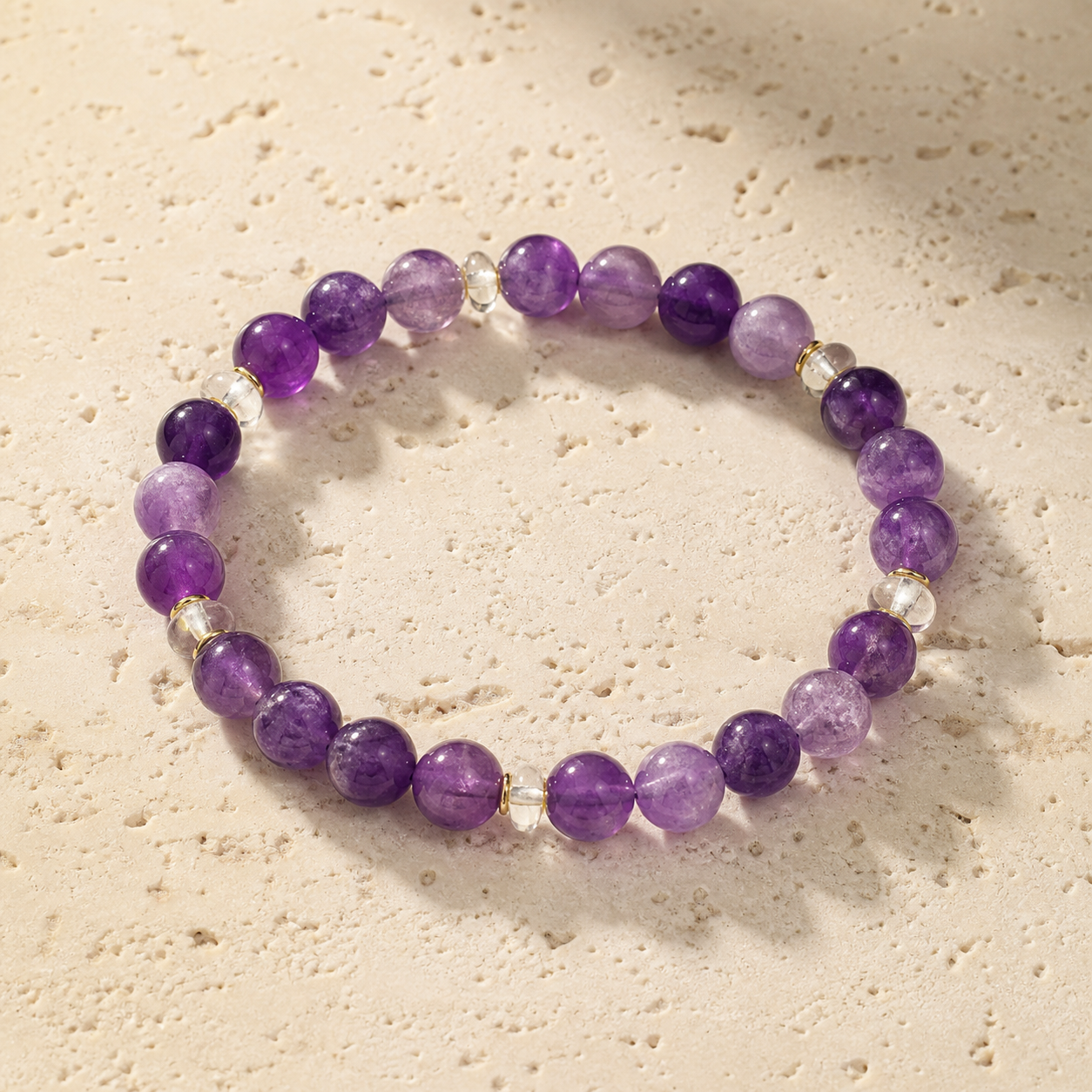
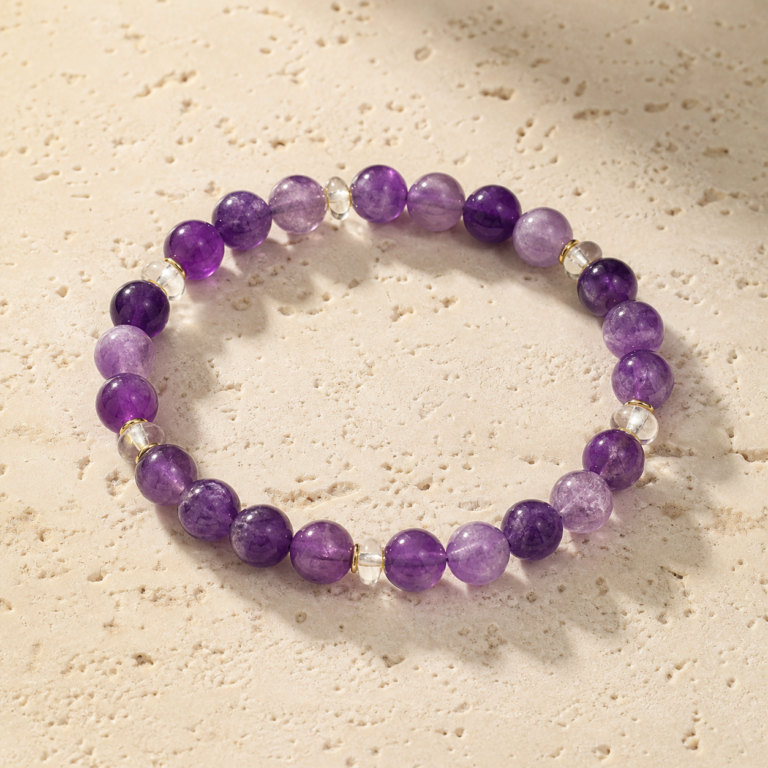
    That does not mean a mineral guarantees wealth, repairs a relationship or treats illness. A finished piece works best as an intentional object: you see it, touch it and remember the behavior you chose. An amethyst bracelet may remind you to pause before reacting. A citrine pendant may represent disciplined optimism. The meaning becomes useful when it supports action.

    Natural stone basics every buyer should know

    • Variation is evidence of nature. Color zoning, veining, inclusions and translucency differ from piece to piece.
    • Hardness is not toughness. A stone may resist scratching yet still chip after impact.
    • Color can change. Strong sunlight, heat, cosmetics and chemicals may affect some materials.
    • Names describe families. Quartz includes amethyst, citrine, rose quartz and smoky quartz, each with different trace elements and visual character.

    Choose a meaning you can live

    Start with one clear intention: calm, love, courage, prosperity or protection. Then evaluate the actual finished piece—its craftsmanship, proportion, polish, metal details and how naturally it fits your wardrobe. Symbolism should deepen your connection to a piece, not replace good judgment.

    Wear the stone as a prompt, not a promise. The power is in what you repeatedly choose to practice.

    Finished pieces for calm, clarity and inner steadiness
    Please note: Crystal meanings are cultural and symbolic. They are offered for personal reflection and are not medical, financial or guaranteed claims.

    Symbolism, material and personal meaning

    A natural stone can be appreciated on several levels at once. It is a geological material shaped over time, a wearable object selected for color and texture, and a personal symbol. These ideas do not compete with one another. A buyer may love amethyst for its violet zoning, value moonstone for its shifting light, and still use either piece as a reminder to pause before reacting. The meaning is most useful when it supports a clear personal practice rather than promising an external result.

    Natural variation is part of the value. Fine inclusions, small changes in translucency and uneven color distribution are normal features, not automatic defects. They distinguish a natural piece from a perfectly uniform imitation. Product photography should therefore be read carefully: look at the exact pattern, polish, scale and setting, and choose the piece whose visual character feels right for your wardrobe and daily routine.

    How to choose a finished piece with confidence

    Begin with the form you will genuinely wear. Bracelets remain visible during the day and work well as tactile reminders. Necklaces place the stone close to the center of an outfit and can feel more ceremonial. Pendants are easy to layer, while collector pieces create a fixed visual anchor in a room. Next, consider color, weight, size and care requirements. A meaningful object only becomes part of your life when it is comfortable and practical.

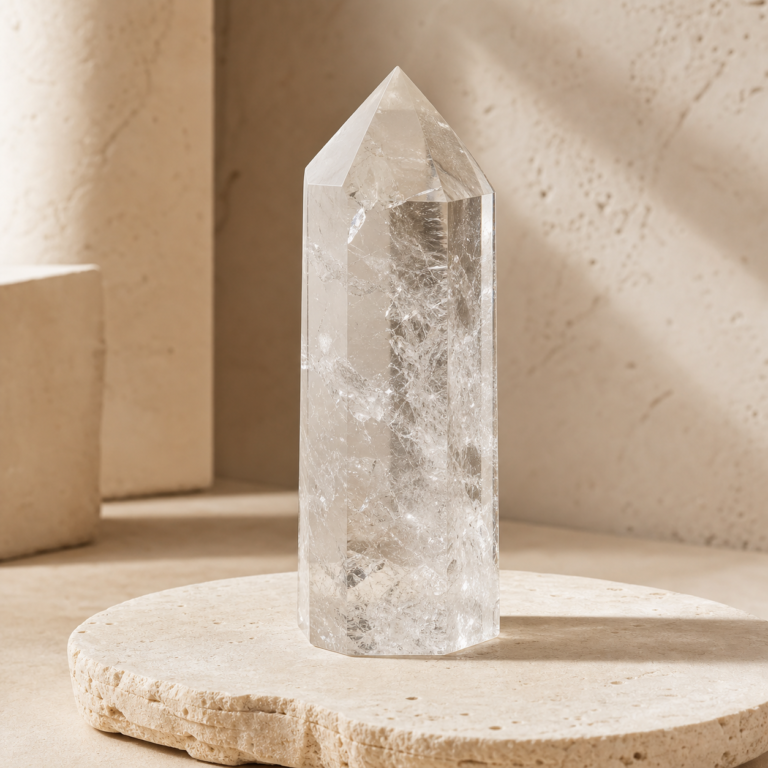
    For calm reflection, explore amethyst and moonstone. For focus and grounded decision-making, compare smoky quartz, tiger eye and obsidian. For warmth and optimistic momentum, citrine is a strong visual choice. These associations come from cultural tradition and contemporary spiritual practice; they are invitations to reflection, not measurable properties.

    Continue your stone education

    Read How to Choose and Care for Finished Natural-Stone Jewelry before purchasing, or explore stones associated with protection and boundaries. Each finished piece in our collection is individually selected and sold as the exact item shown.
    A thoughtful note: Crystal meanings are symbolic and personal. They are not medical, psychological, legal or financial advice, and no outcome is guaranteed.
  • Stones of Prosperity: Citrine, Tiger Eye, Jade and Pyrite

    Stones of Prosperity: Citrine, Tiger Eye, Jade and Pyrite

    Prosperity is not a lucky accident. It is built through attention, skill, boundaries, courage and long-term decisions. Wealth-associated stones are most meaningful when they represent those behaviors instead of magical shortcuts.

    Citrine: optimistic momentum

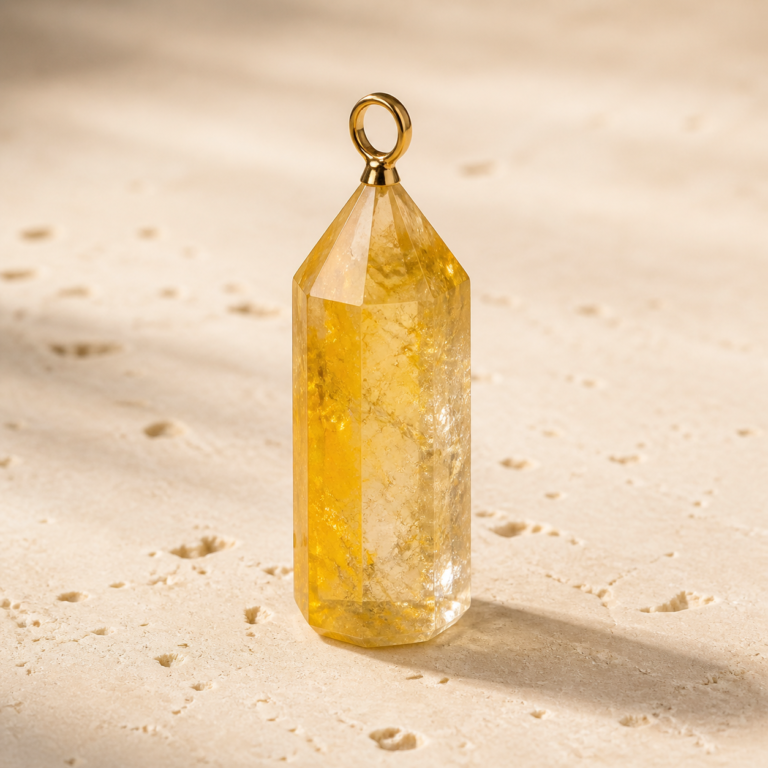
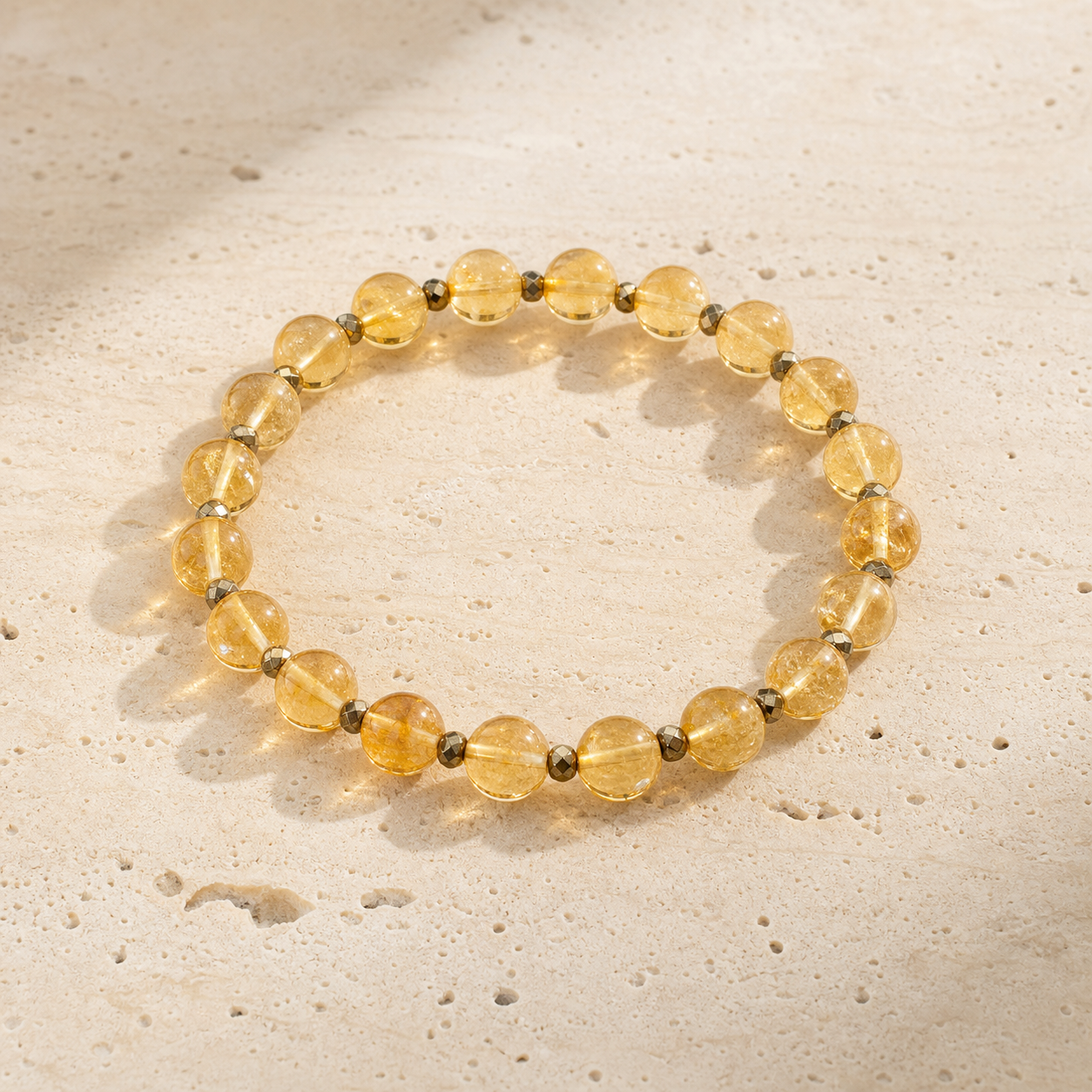
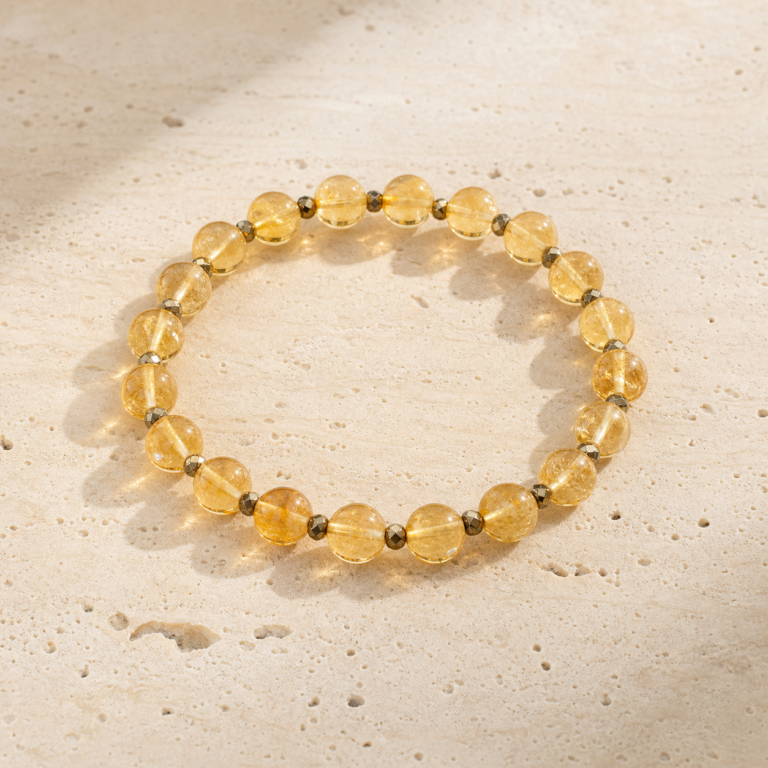
    Citrine’s golden color has long linked it with sunlight, trade and abundance. Symbolically, it suits the person who needs to stop shrinking her ambitions. Use it as a reminder to name the opportunity, communicate value and take the next measurable step.

    Tiger eye: disciplined confidence

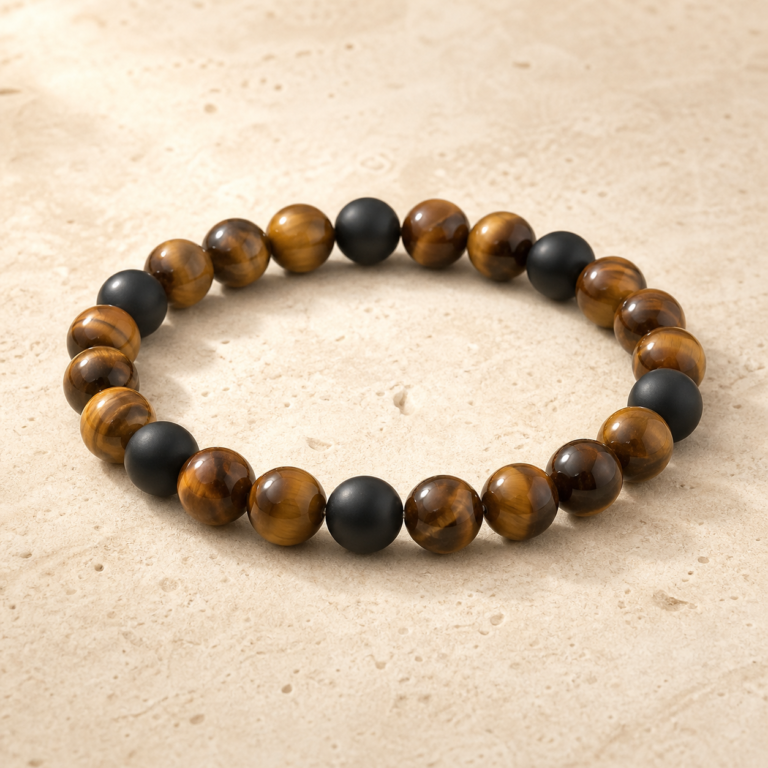
    Tiger eye combines movement, depth and a focused band of reflected light. Its traditional themes—courage, judgment and grounded action—make it a strong symbol for negotiations, leadership and difficult decisions. Confidence becomes useful only when paired with preparation.

    Jade: durable prosperity

    Jade is associated with harmony, wisdom and enduring good fortune in several cultural traditions. Its wealth symbolism is less about sudden gain and more about preservation: sound choices, trusted relationships and respect for what takes time to build.

    Pyrite: structure and material ambition

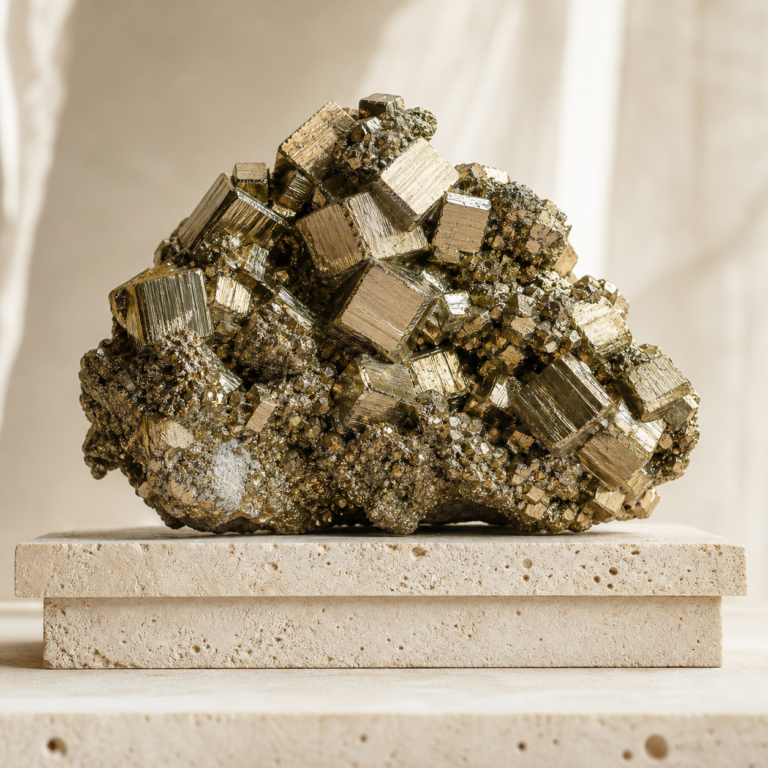
    Pyrite’s metallic geometry gives it a powerful visual connection to structure and material success. It can symbolize the systems behind prosperity: budgets, pricing, contracts, habits and standards. A statement sculpture can anchor an office ritual—review priorities, remove distractions and act on the most valuable task first.

    A practical prosperity ritual

    1. Choose one financial or career objective.
    2. Write the next action that is fully under your control.
    3. Wear or place your chosen finished piece where you will see it.
    4. When you notice it, complete or schedule that action.
    5. Review progress weekly; symbolism without follow-through is decoration.

    Curated finished pieces for ambition and abundance

    Please note: No stone guarantees money, career advancement or investment results. These meanings are symbolic prompts for personal intention.

    Prosperity is a practice, not a promise

    The strongest way to work with prosperity symbolism is to connect a stone to a behavior you can repeat. Citrine may mark the beginning of a revenue goal. Tiger eye can accompany a difficult negotiation. Jade may represent patient stewardship rather than sudden luck, while pyrite can become a visual cue to review numbers, systems and priorities. The object does not replace action; it gives action a memorable physical anchor.

    This distinction matters for an elevated collection. Responsible stone language should inspire without making guaranteed financial claims. A finished piece earns its place through material character, craftsmanship and the meaning its owner chooses to give it. Wealth symbolism becomes more credible when paired with planning, consistency and informed decisions.

    What to notice in each material

    Citrine ranges from pale champagne to deeper honey tones. Natural color variation and internal veils can create warmth and depth. Tiger eye is valued for chatoyancy, the moving band of reflected light that travels across a polished surface. Jade should be judged by color, translucency, texture and workmanship rather than by color alone. Pyrite is a metallic iron sulfide with bold geometric character; it should be kept dry and handled with care.

    Choose jewelry when you want a portable daily reminder. Choose a sculptural pyrite or citrine display when the intention belongs in an office, studio or shared living space. Scale should match its setting: smaller pieces reward close inspection, while larger collector pieces need visual breathing room and a stable display surface.

    A practical prosperity ritual

    Write one measurable goal and one action that can be completed within seven days. Place or wear the chosen stone while reviewing that commitment. At the end of the week, evaluate the action rather than searching for signs. This keeps the ritual grounded, useful and personal.

    For complementary reading, visit our modern guide to natural-stone meaning and our finished-stone care guide.

    A thoughtful note: Prosperity associations are symbolic traditions, not financial advice or guarantees of income, luck or business results.
  • Love and Marriage: Stones for Tenderness, Trust and New Chapters

    Love and Marriage: Stones for Tenderness, Trust and New Chapters

    A relationship is not protected by a gemstone. It is strengthened by honesty, repair, affection, boundaries and the willingness to grow together. Love-associated stones can give those commitments a beautiful physical form.

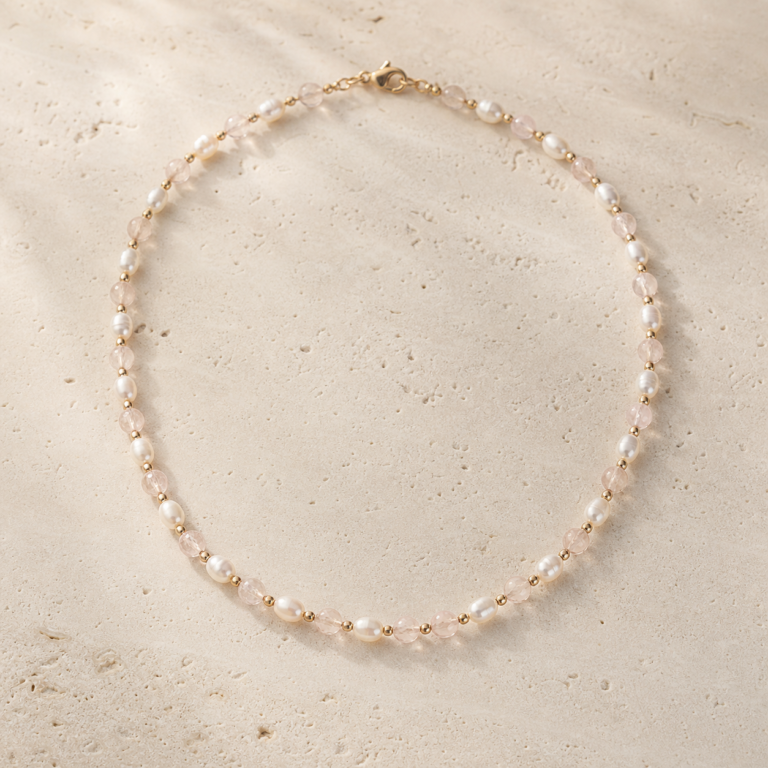
    Rose quartz: tenderness without self-erasure

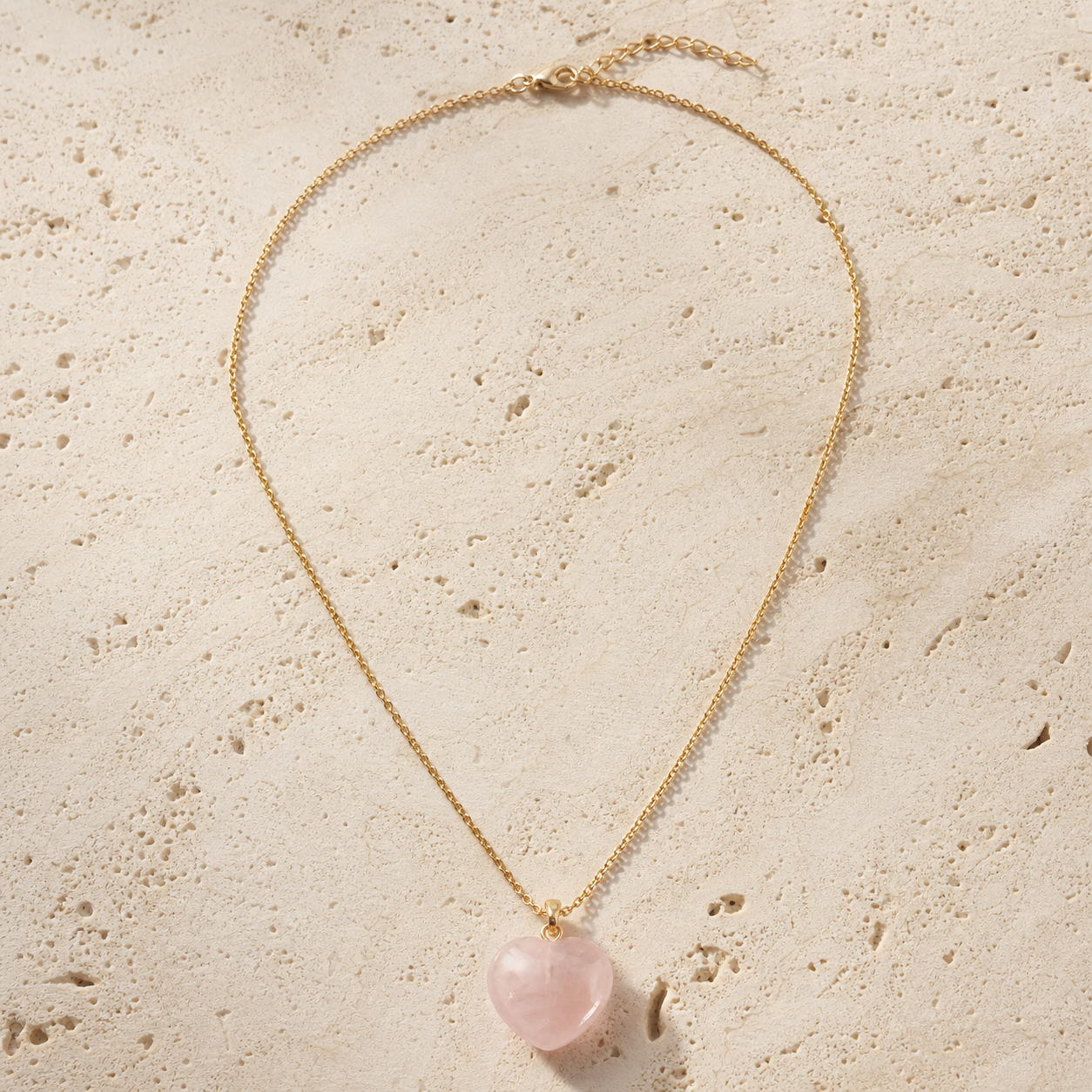
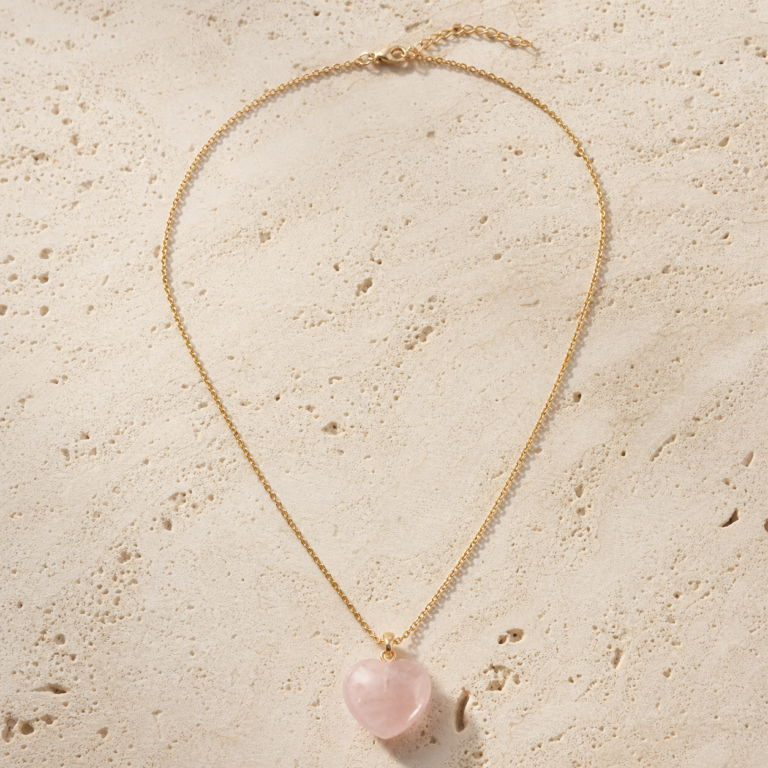
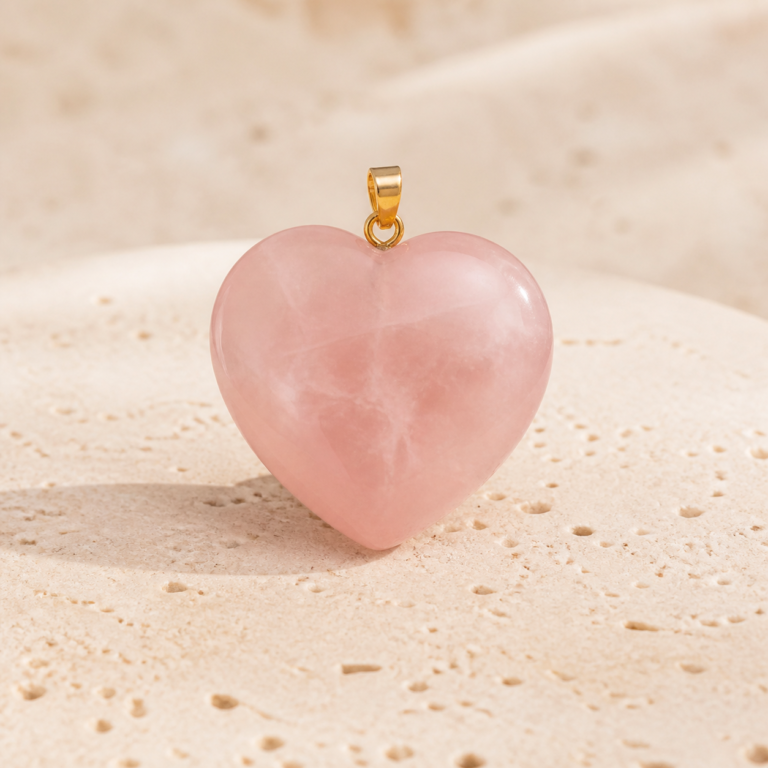
    Rose quartz is the best-known symbol of affection and emotional softness. Its healthiest interpretation includes self-respect. Tenderness is not agreeing to everything; it is communicating with care while remaining truthful. A rose quartz piece can mark an anniversary, reconciliation or promise to treat love as a daily practice.

    Moonstone: transitions and shared chapters

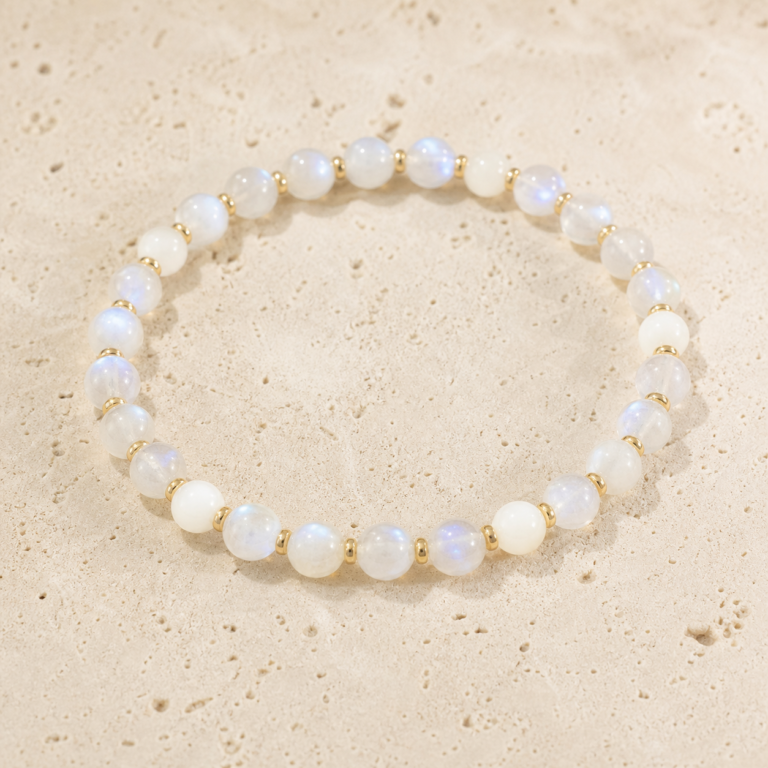
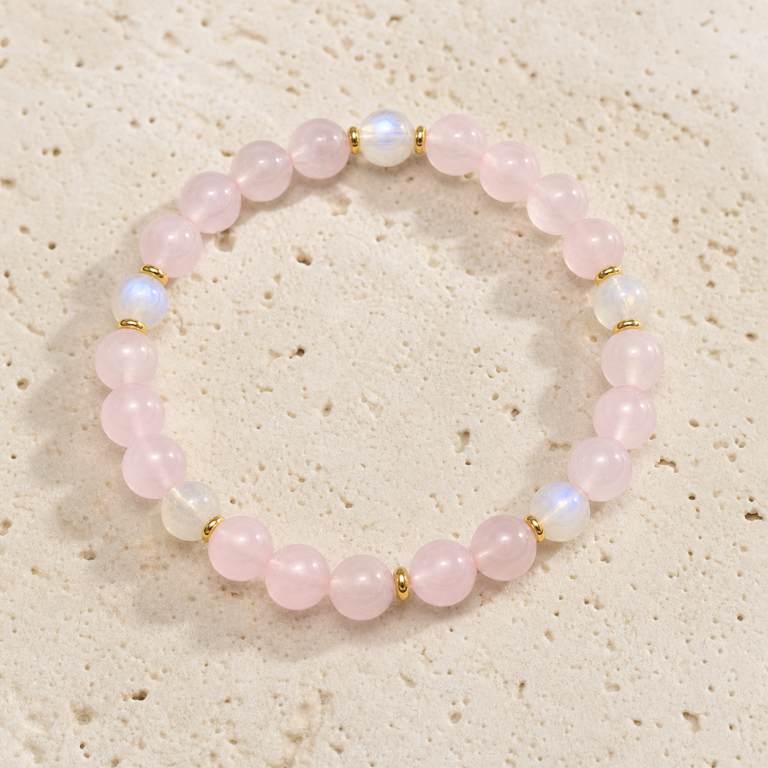
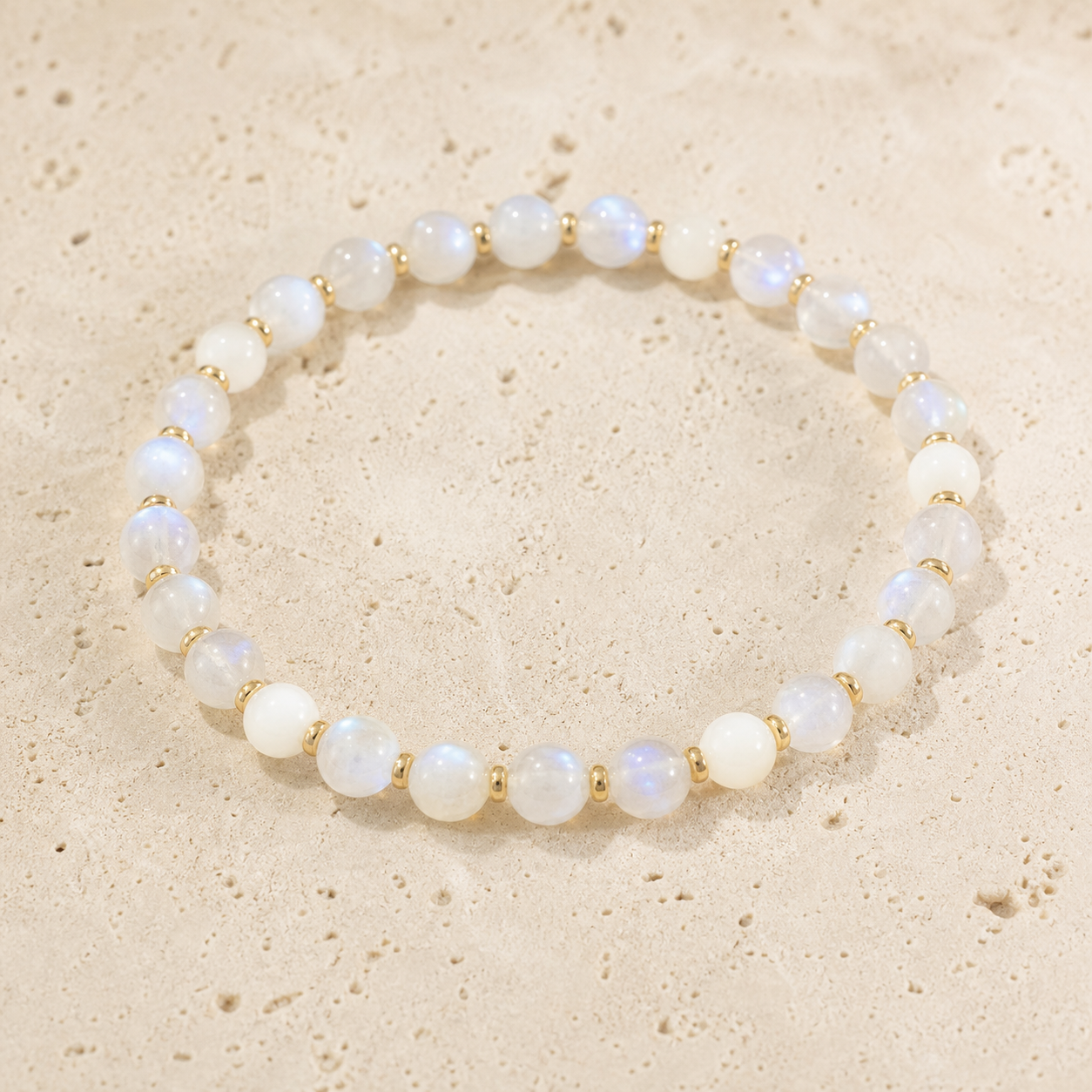
    Moonstone’s shifting light has made it a symbol of cycles, intuition and new beginnings. It is especially resonant for engagements, marriage, relocation, parenthood and other transitions that require two people to adapt without losing themselves.

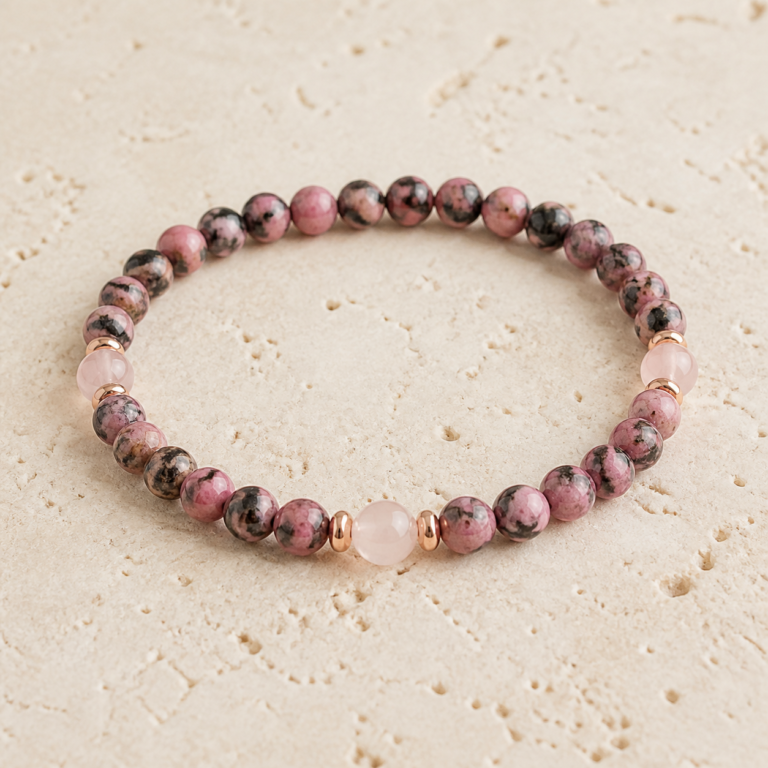
    Rhodonite: repair after conflict

    Rhodonite is traditionally associated with compassion, forgiveness and emotional balance. In marriage, repair matters more than never disagreeing. The symbolic question is direct: can we acknowledge impact, take responsibility and change the pattern?

    Morganite: graceful partnership

    Morganite’s blush tone and refined clarity connect it with patience, warmth and mature affection. It suits love that feels calm rather than chaotic—partnership built on consistency, generosity and mutual regard.

    Choose a meaningful gift

    Consider the chapter, not merely the recipient’s favorite color. Rose quartz celebrates tenderness; moonstone recognizes change; rhodonite honors healing; morganite expresses refined devotion. Because natural stones vary, a one-of-one finished piece also carries a powerful message: this exact expression belongs only to her.

    Finished pieces for love, marriage and emotional connection

    Please note: Stones cannot guarantee love, fidelity, fertility or reconciliation. Relationship concerns deserve honest communication and, when needed, qualified professional support.

    Meaningful jewelry should honor the relationship

    A stone gift becomes memorable when its symbolism reflects a real quality in the relationship. Rose quartz may acknowledge tenderness, rhodonite may represent the work of repair, moonstone can mark a transition, and morganite can celebrate gentle partnership. The message should remain specific: name the anniversary, promise, lesson or new chapter that made you choose the piece.

    No stone can create trust or resolve conflict by itself. Relationships are strengthened by communication, accountability and care. Symbolic jewelry works best as a witness to those choices—a beautiful object that recalls what two people have decided to protect together.

    How to choose a gift that feels personal

    Start with the recipient’s style rather than the symbolism alone. Notice whether she wears warm or cool tones, delicate or statement jewelry, bracelets or necklaces. Consider practical details such as length, bead scale, weight and how the piece will layer with what she already owns. A visually compatible gift will be worn more often, allowing its meaning to remain present.

    Natural variation also makes the selection more intimate. Color clouds, veining and translucency create a character that cannot be repeated exactly. When a piece is sold as one of one, the photographs should represent the exact item the recipient will receive. This makes the gift feel collected rather than mass produced.

    Presenting the meaning without pressure

    Include a short handwritten message explaining why you selected the stone, but leave room for the recipient to form her own connection with it. Avoid presenting spiritual associations as facts or promises. A graceful sentence such as “I chose moonstone to honor the new chapter we are entering” feels more sincere than claiming the stone will determine the future.

    Continue with our guide to meaningful natural-stone jewelry, or learn how to preserve a treasured gift in our jewelry care guide.

    A thoughtful note: Love and relationship meanings are symbolic. Stones cannot replace honest communication, professional support or personal responsibility.
  • A Symbolic Shield: Natural Stones for Protection and Boundaries

    A Symbolic Shield: Natural Stones for Protection and Boundaries

    Protection symbolism is most powerful when it points toward real boundaries: where you spend attention, whom you trust, what behavior you accept and how quickly you respond to warning signs.

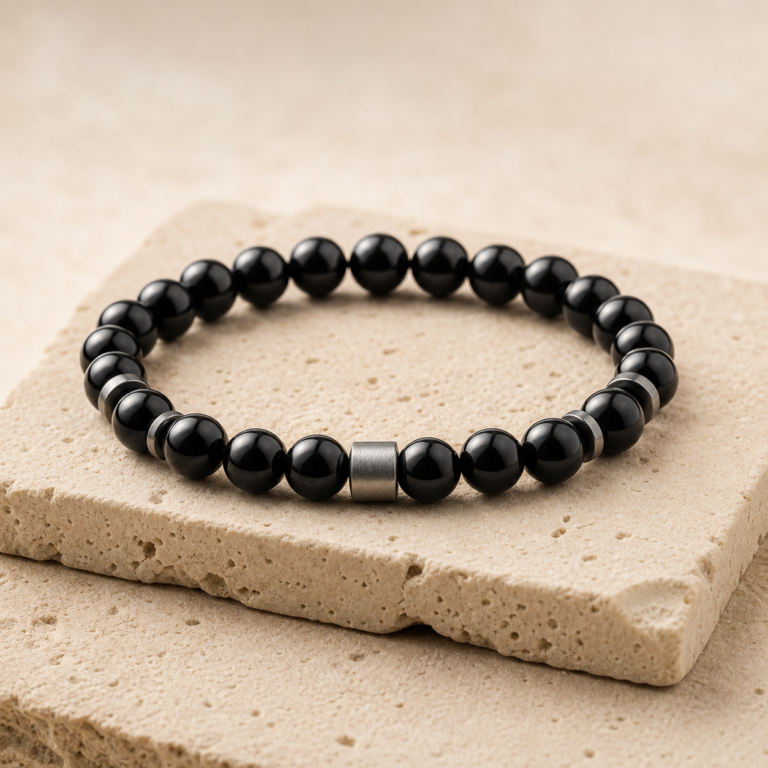
    Obsidian: truth and decisive boundaries

    Volcanic glass with a dark reflective surface, obsidian has long been linked with truth, grounding and protection. Its symbolism is uncompromising: see the situation clearly, stop negotiating with repeated disrespect and choose the boundary you are prepared to maintain.

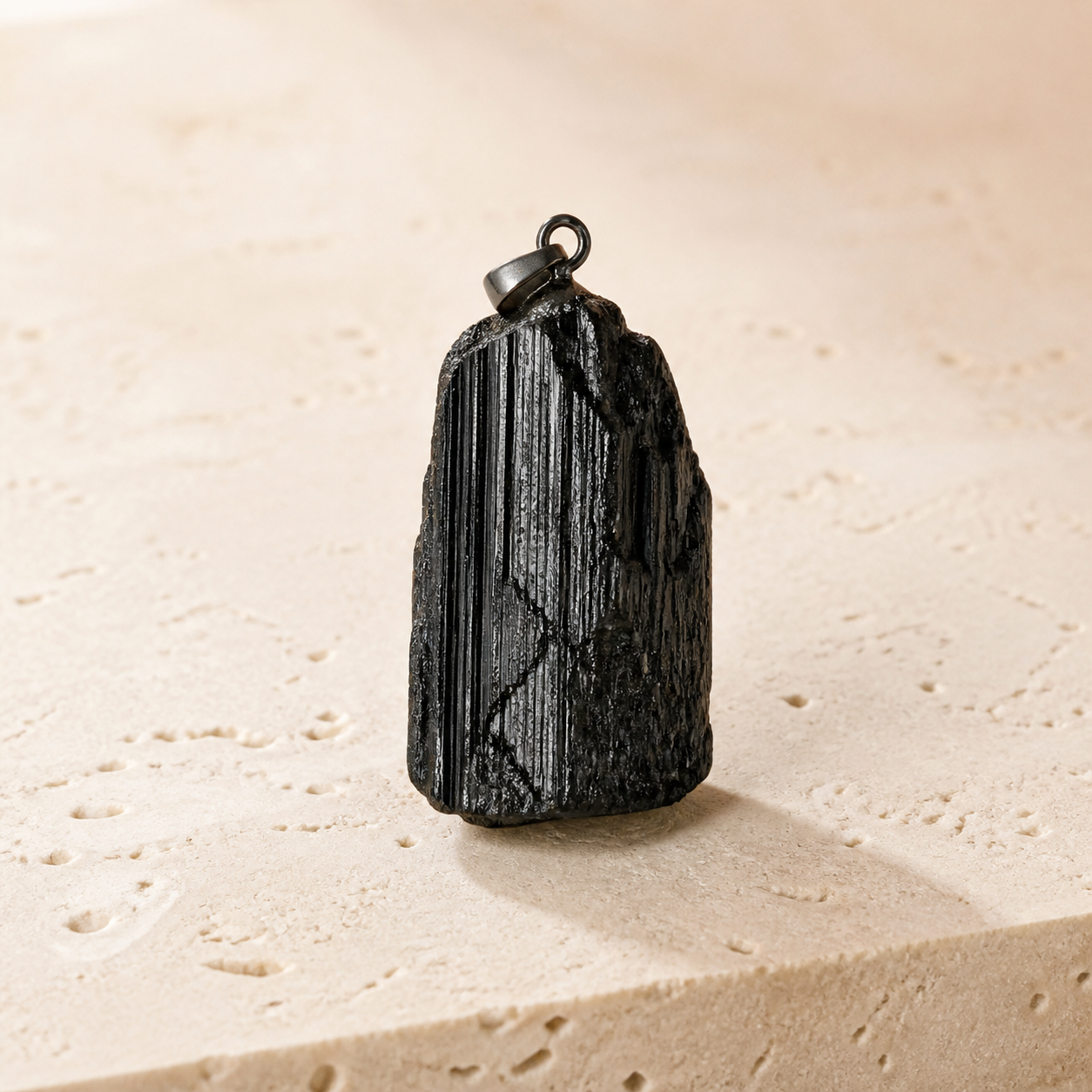
    Black tourmaline: grounded personal space

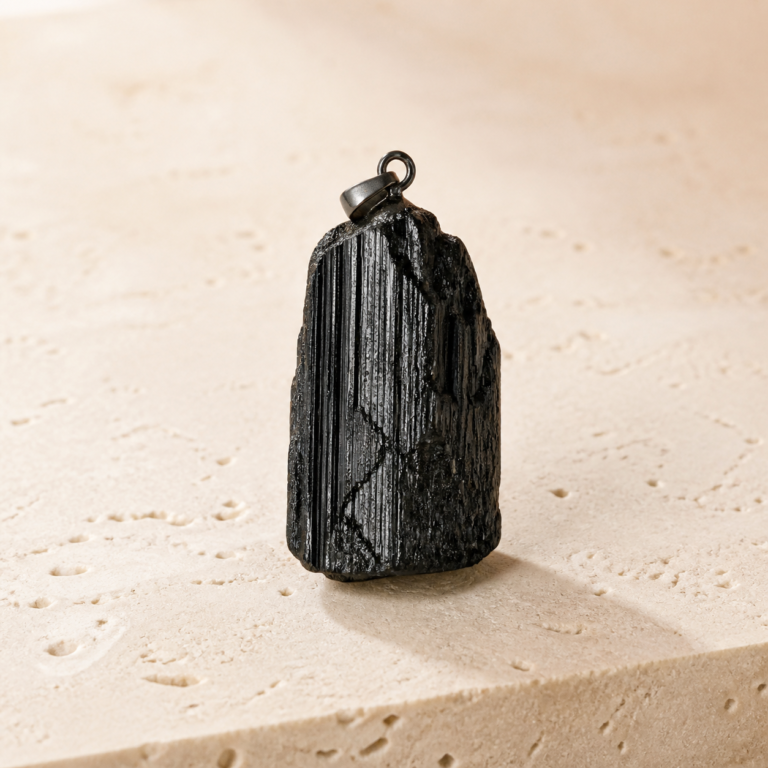
    Black tourmaline’s striated structure and substantial visual presence have made it a popular protective stone. Worn as a finished pendant, it can represent a private perimeter—an elegant reminder that empathy does not require unlimited access to your time and energy.

    Smoky quartz: release and composure

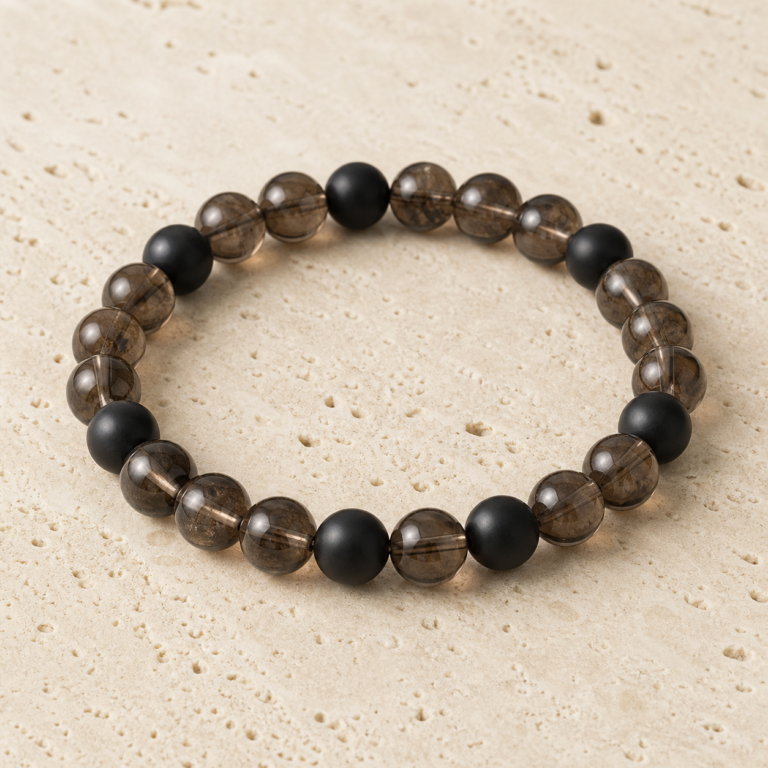
    Smoky quartz is associated with grounding and letting go. It suits high-pressure environments because its symbolism is less defensive than steady: absorb the information, release the drama and respond with proportion.

    Amethyst: protection through discernment

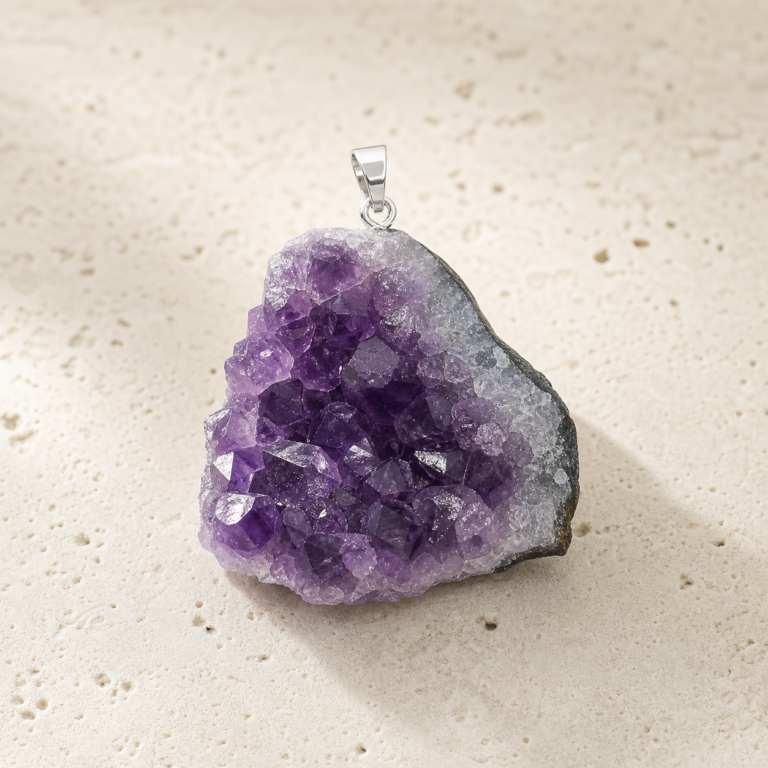
    Amethyst is traditionally connected with clear judgment and calm. Not every threat requires confrontation; some require discernment. Protection can mean refusing urgency, checking facts and allowing emotion to settle before making a decision.

    A boundary practice that works

    • Name the situation that repeatedly drains or destabilizes you.
    • Write one boundary in behavioral terms.
    • Choose the consequence you can actually maintain.
    • Use your jewelry as a visual cue before difficult conversations.
    • Remember that symbolic protection never replaces practical safety measures.

    Finished protective pieces

    Please note: Natural stones do not prevent harm or replace legal, medical, security or mental-health support. Their meanings are symbolic.

    Protection symbolism begins with clear boundaries

    Protection stones are most useful when they represent a decision the wearer is prepared to uphold. Obsidian may symbolize honest self-examination, black tourmaline a defined personal space, smoky quartz the release of mental noise, and amethyst thoughtful restraint. The practical question is not whether a stone can stop every negative influence; it is what boundary, habit or response the object helps you remember.

    A bracelet can act as a discreet cue before a difficult conversation. A pendant may mark a commitment to speak clearly. A collector piece near an entryway or desk can define a calm transition between public demands and private time. These are grounded uses of symbolism that respect both tradition and personal agency.

    Material details and responsible care

    Obsidian is volcanic glass and may chip if struck against a hard surface. Black tourmaline commonly shows natural grooves and texture. Smoky quartz can range from translucent gray to deep brown, while amethyst may display visible color zoning. These characteristics contribute to identity, but every piece should still be inspected for secure construction and a finish appropriate to its intended use.

    Keep jewelry away from household chemicals, perfume and prolonged moisture. Store pieces separately so harder materials do not scratch softer surfaces. For substantial display stones, use a stable level base, avoid direct impact and move the piece with two hands. Care is part of protection: preserving the object supports the meaning attached to it.

    A simple boundary practice

    Choose one sentence you can act on, such as “I will not answer important requests under pressure.” Touch or look at the stone before responding, take one deliberate breath, and repeat the boundary in plain language. The value comes from repetition and clarity.

    Explore related perspectives in Natural-Stone Energy, Explained and our finished-stone selection and care guide.

    A thoughtful note: Protection meanings are symbolic and personal. Stones are not a substitute for safety planning, medical care, legal advice or professional support.
  • How to Choose and Care for Finished Natural-Stone Jewelry

    How to Choose and Care for Finished Natural-Stone Jewelry

    The best natural-stone purchase balances three things: visual character, sound craftsmanship and a meaning that remains relevant after the first emotional impression.

    Read natural variation correctly

    Natural stone is not factory-uniform. Expect changes in tone, bands, clouds, inclusions, translucency and surface pattern. These features are not automatically flaws. They become quality concerns only when they compromise structure, finishing or accurate description.

    Evaluate a finished piece

    • Polish: Surfaces should feel intentional and consistent for the material.
    • Drilling and setting: Openings, bezels, clasps and connectors should be secure and proportionate.
    • Design balance: Weight, focal points and metal details should feel composed rather than crowded.
    • Accurate photography: Images should show the actual material character, while acknowledging that screens and lighting alter color.
    • Clear policy: One-of-one finished pieces should explain availability, shipping and final-sale conditions before purchase.

    Bracelet and necklace care

    Put jewelry on after perfume, lotion and hair products. Remove it before bathing, swimming, exercise and sleep. Wipe gently with a soft dry cloth after wear. Avoid ultrasonic and steam cleaning unless a qualified jeweler confirms that every stone and component is suitable.

    Storage matters

    Store pieces separately in soft pouches or lined compartments. Harder minerals can scratch softer ones; metal chains can tangle; repeated sunlight may affect color-sensitive stones. Large decor pieces should rest on stable surfaces away from edges, vibration and abrupt temperature changes.

    Buy for the life you actually live

    If you wear jewelry daily, prioritize comfort, secure construction and versatile color. If you are choosing a meaningful gift, consider the recipient’s style and the chapter being honored. Symbolism should feel personal, but craftsmanship is what allows that meaning to last.

    Explore refined one-of-one finished pieces

    Please note: Natural stones require appropriate handling. Variation is expected, but damage caused by impact, chemicals, moisture or improper storage is not a natural defect.

    Natural, treated and imitation materials

    “Natural stone” describes material formed in nature, but it does not automatically mean untreated. Heat, dye, stabilization and coating are used across the jewelry industry. Synthetic stones share a laboratory-created composition with a natural counterpart, while imitations may only reproduce its appearance. Responsible buying begins with clear descriptions and realistic expectations, especially when treatment information affects value or care.

    Uniformity is not proof of quality. Natural stones often show inclusions, color zoning, veining, pits or small differences between beads. At the same time, the word “natural” should not excuse poor polishing, loose findings or structural damage. Evaluate the material and the workmanship separately.

    Match care to the stone

    There is no universal cleansing method for every mineral. Water, salt, strong sunlight, heat and ultrasonic cleaners can damage certain stones, finishes or stringing materials. Malachite, pyrite, pearl, opal and mother-of-pearl require especially thoughtful handling. When uncertain, use the safest general method: wipe gently with a clean soft dry cloth and store the piece away from moisture, chemicals and abrasion.

    Put jewelry on after fragrance, lotion and cosmetics. Remove bracelets and necklaces before bathing, swimming, exercising or sleeping. Store each piece separately in a soft pouch or lined compartment. Check elastic, clasps and metal connections periodically; preventative maintenance is more effective than repairing a lost stone.

    Buying one-of-one pieces online

    Confirm that the listing shows the exact item, not only a representative sample. Review dimensions, weight, scale photographs, shipping terms and the final-sale policy before purchase. Collector decor requires additional attention to base stability, packing construction and delivery handling. Natural variation should be described openly so the buyer understands what makes the piece unique.

    For help choosing by meaning, read our modern guide to stone symbolism. You can also explore focused guides to prosperity stones, love and marriage symbolism, and protection and boundaries.

    Material note: Natural variation is expected. Stone meanings are cultural and personal, not medical advice or guaranteed outcomes. Contact us before cleaning a piece if you are unsure of its material requirements.