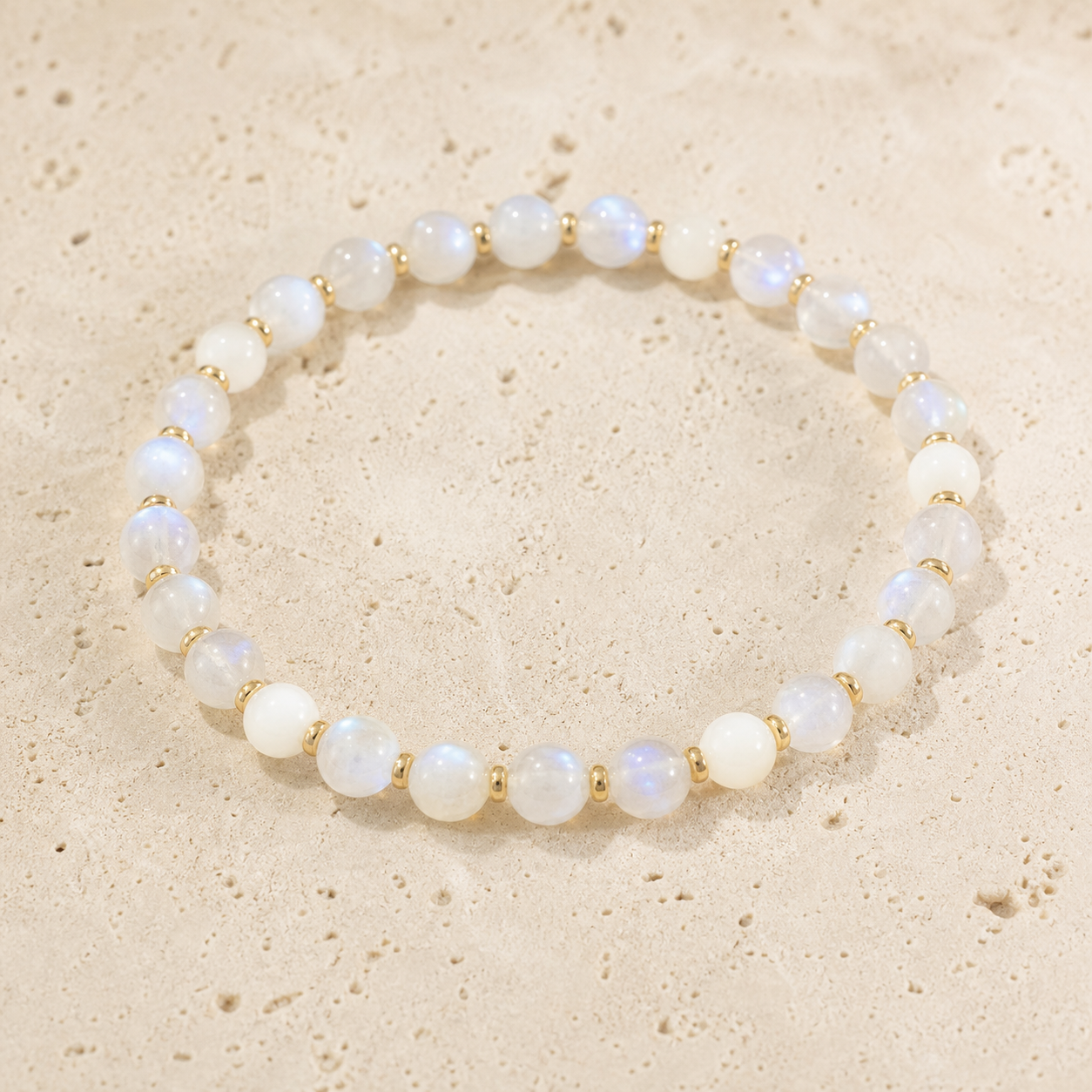
The best natural-stone purchase balances three things: visual character, sound craftsmanship and a meaning that remains relevant after the first emotional impression.
Read natural variation correctly
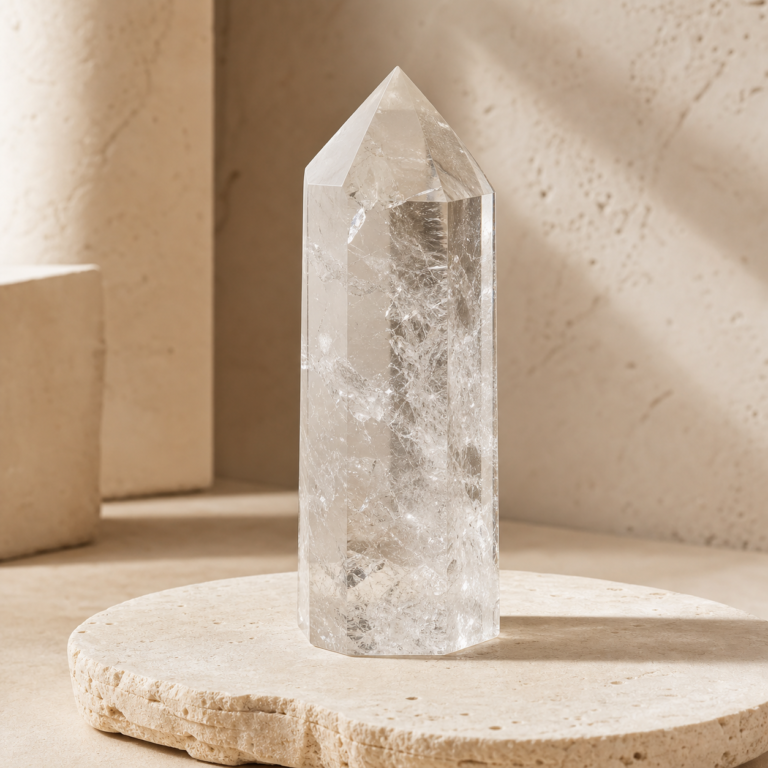
Natural stone is not factory-uniform. Expect changes in tone, bands, clouds, inclusions, translucency and surface pattern. These features are not automatically flaws. They become quality concerns only when they compromise structure, finishing or accurate description.
Evaluate a finished piece
- Polish: Surfaces should feel intentional and consistent for the material.
- Drilling and setting: Openings, bezels, clasps and connectors should be secure and proportionate.
- Design balance: Weight, focal points and metal details should feel composed rather than crowded.
- Accurate photography: Images should show the actual material character, while acknowledging that screens and lighting alter color.
- Clear policy: One-of-one finished pieces should explain availability, shipping and final-sale conditions before purchase.
Bracelet and necklace care
Put jewelry on after perfume, lotion and hair products. Remove it before bathing, swimming, exercise and sleep. Wipe gently with a soft dry cloth after wear. Avoid ultrasonic and steam cleaning unless a qualified jeweler confirms that every stone and component is suitable.
Storage matters
Store pieces separately in soft pouches or lined compartments. Harder minerals can scratch softer ones; metal chains can tangle; repeated sunlight may affect color-sensitive stones. Large decor pieces should rest on stable surfaces away from edges, vibration and abrupt temperature changes.
Buy for the life you actually live
If you wear jewelry daily, prioritize comfort, secure construction and versatile color. If you are choosing a meaningful gift, consider the recipient’s style and the chapter being honored. Symbolism should feel personal, but craftsmanship is what allows that meaning to last.
Explore refined one-of-one finished pieces
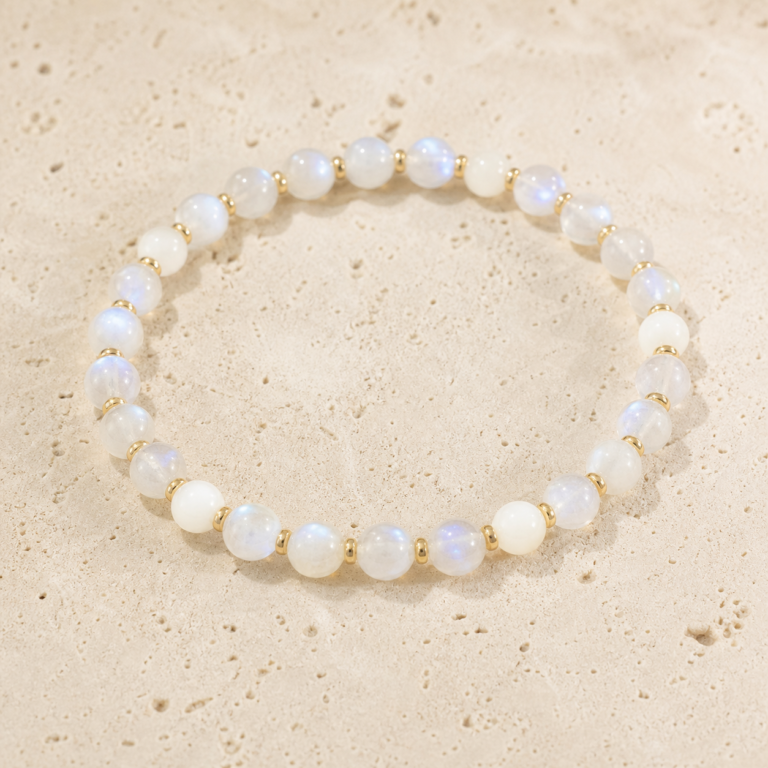
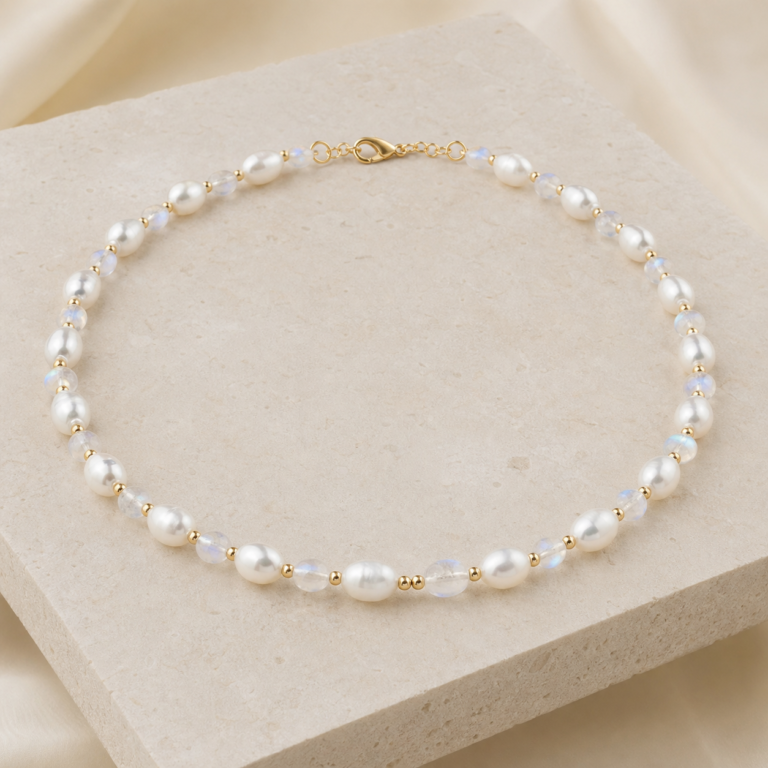
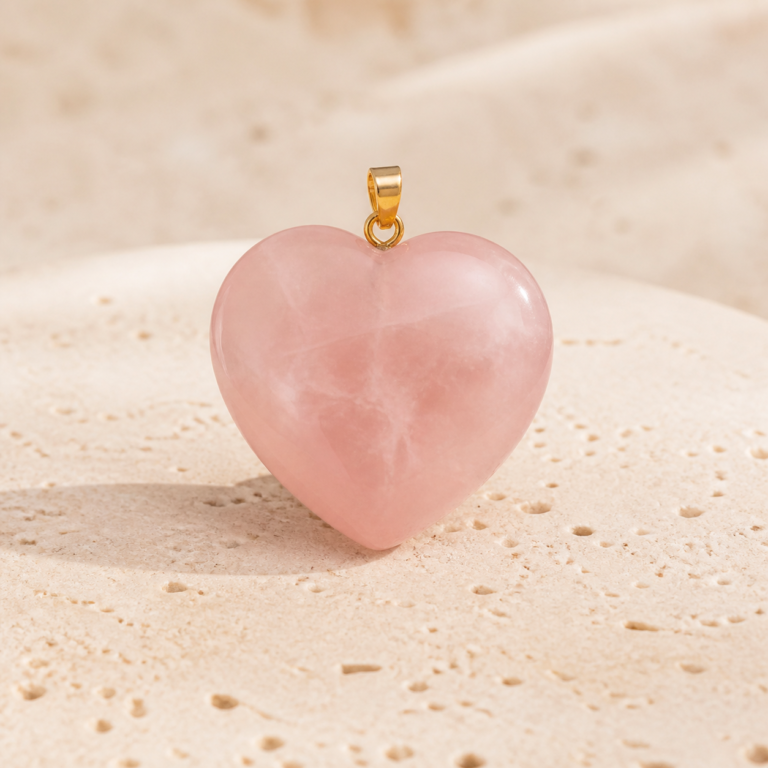
Please note: Natural stones require appropriate handling. Variation is expected, but damage caused by impact, chemicals, moisture or improper storage is not a natural defect.
Natural, treated and imitation materials
“Natural stone” describes material formed in nature, but it does not automatically mean untreated. Heat, dye, stabilization and coating are used across the jewelry industry. Synthetic stones share a laboratory-created composition with a natural counterpart, while imitations may only reproduce its appearance. Responsible buying begins with clear descriptions and realistic expectations, especially when treatment information affects value or care.
Uniformity is not proof of quality. Natural stones often show inclusions, color zoning, veining, pits or small differences between beads. At the same time, the word “natural” should not excuse poor polishing, loose findings or structural damage. Evaluate the material and the workmanship separately.
Match care to the stone
There is no universal cleansing method for every mineral. Water, salt, strong sunlight, heat and ultrasonic cleaners can damage certain stones, finishes or stringing materials. Malachite, pyrite, pearl, opal and mother-of-pearl require especially thoughtful handling. When uncertain, use the safest general method: wipe gently with a clean soft dry cloth and store the piece away from moisture, chemicals and abrasion.
Put jewelry on after fragrance, lotion and cosmetics. Remove bracelets and necklaces before bathing, swimming, exercising or sleeping. Store each piece separately in a soft pouch or lined compartment. Check elastic, clasps and metal connections periodically; preventative maintenance is more effective than repairing a lost stone.
Buying one-of-one pieces online
Confirm that the listing shows the exact item, not only a representative sample. Review dimensions, weight, scale photographs, shipping terms and the final-sale policy before purchase. Collector decor requires additional attention to base stability, packing construction and delivery handling. Natural variation should be described openly so the buyer understands what makes the piece unique.
For help choosing by meaning, read our modern guide to stone symbolism. You can also explore focused guides to prosperity stones, love and marriage symbolism, and protection and boundaries.